
You breastfeed your baby, then everything comes right back up. This isn’t normal spit-up. The vomit looks like large, sour milk curds. Your child seems hungry again. Then their energy disappears. They may look pale, weak, sleepy, and completely spent. This is where Aethusa cynapium often gets a homeopath’s attention. It has a strong reputation in homeopathic materia medica for digestive upsets linked with milk intolerance.
Aethusa has a very specific feel. The child does not simply spit up or have colic. They struggle, they vomit forcefully. They become weak afterward. Many moms know this scene. A feed ends in tears, laundry, and another round of worry. Aethusa belongs on the remedy study list for this pattern.
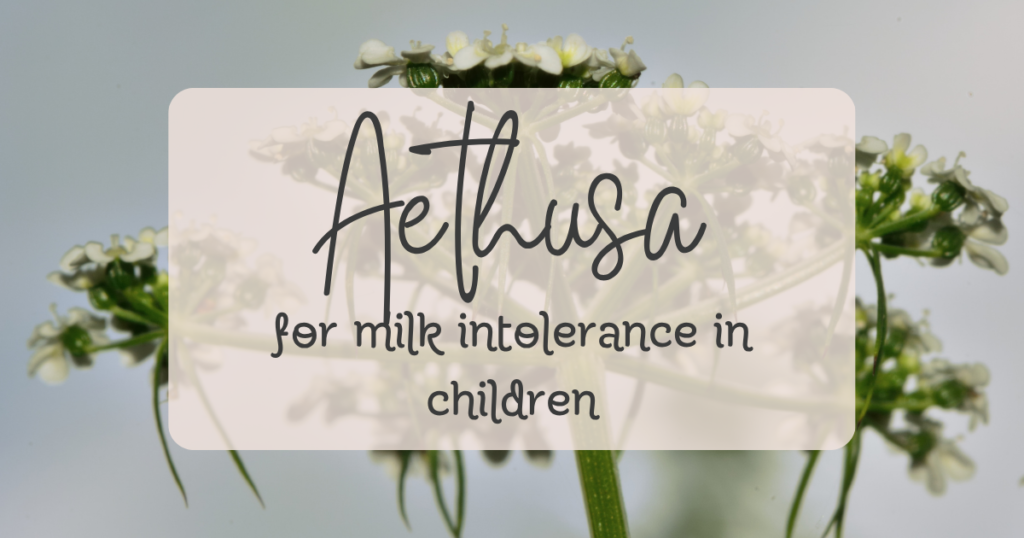
Meet Aethusa Cynapium
Aethusa cynapium is known as Fool’s Parsley. It grows in Europe and western Asia. It later spread into other regions. The plant resembles edible parsley. That resemblance earned it the name Fool’s Parsley. Foragers could mistake it for a safe kitchen herb. However, the fresh plant can be poisonous. It belongs to the carrot family and has associations with hemlock relatives. Historical herbal sources recorded its use for digestive complaints, childhood diarrhea, sleep troubles, and nervous symptoms. Reports of accidental ingestion described mouth and throat irritation, vomiting, sweating, headache, and, in serious accounts, spasms.
Homeopathy takes a substance and prepares it through serial dilution and succussion. The final homeopathic remedy is highly diluted. Therefore, properly prepared commercial homeopathic potencies do not contain the toxic dose found in fresh Fool’s Parsley. Never harvest, taste, or make remedies from this plant yourself.
The Aethusa Keynotes
Look for the total pattern. One symptom never tells the whole story. However, these keynotes make Aethusa stand out.
- Intolerance of milk. Milk seems to trigger the entire episode. The child cannot keep breast milk, cow’s milk, or other milk feeds down.
- Large curds in the vomit. The milk comes back in thick curds. It may appear white, cheesy, or sour.
- Vomiting followed by deep exhaustion. The child may become heavy, sleepy, limp, or hard to rouse after vomiting.
- Hunger after vomiting. They may want to nurse or eat again, despite the recent vomiting.
- Green, loose stool. Diarrhea may accompany the digestive upset. Classical descriptions often mention green or watery stools.
- Teething and summer aggravation. Traditional materia medica connects Aethusa with difficult teething and summer digestive complaints.
- Anxious, miserable expression. The child may cry, look distressed, and seem unable to settle.
- Nervous system involvement. Severe traditional pictures include staring eyes, weakness, clenched thumbs, or spasmodic tendencies.
The most memorable Aethusa phrase is simple. Milk goes in, milk comes up in curds, then the child crashes.
Aethusa In Practice
Aethusa can help you sharpen your observation skills. Start by writing down what happens before, during, and after a feeding.
Notice these details:
- What did your child drink?
- How soon did vomiting begin?
- Did the vomit contain curds?
- Did hunger return afterward?
- Did your child become sleepy or limp?
- Did stool change color or frequency?
- Is teething active right now?
- Does warm weather make everything worse?
These details help differentiate Aethusa from other remedies. For example, a child with ordinary reflux may not need Aethusa. A baby with a stomach virus may need medical care first.
Homeopathy works best when the remedy matches the full symptom picture. Do not choose Aethusa merely because vomiting follows milk. Look for the characteristic curds, exhaustion, and digestive pattern.
Safety For Moms
Vomiting and diarrhea can dehydrate babies and young children quickly. Seek urgent medical care for signs of dehydration, trouble breathing, seizures, blue lips, unusual sleepiness, persistent vomiting, bloody stool, green bile vomit, severe pain, or a child who cannot keep fluids down.
Call your pediatrician promptly for infants, especially babies under three months old, who vomit repeatedly or seem unwell. Homeopathy can support a family’s care plan. It should never delay urgent evaluation.
For ongoing milk intolerance, recurrent vomiting, poor weight gain, chronic diarrhea, eczema, or feeding struggles, work with both your child’s medical provider and a qualified professional homeopath. Chronic cases need careful case-taking. They also need a clear plan.
Why Homeopaths Keep Aethusa Close
Aethusa teaches an important lesson. The strange details matter.
Curdy vomiting matters. Post-vomiting sleepiness matters. A hungry child who cannot retain milk matters. Those small facts often guide the prescription.
Fool’s Parsley has a dramatic history. Yet homeopathic Aethusa uses a highly diluted preparation. Properly made remedies can safely come from substances that are poisonous in their crude form.
Keep Aethusa in mind when milk intolerance creates a clear, intense pattern. Then seek skilled guidance for recurring or chronic symptoms. A well-matched remedy can bring real comfort to a struggling child and a tired mom.
I wanted to let you know that I’m a participant in the Amazon affiliate program, and some of the links in this post are affiliate links. That means I might earn a small commission from Amazon if you click them and buy something, but it doesn’t cost you anything extra! It’s just a way to help support my site and keep the lights on.
Leave a Reply