
Imagine needing a remedy that matches the flow of nature—changeable, gentle, yet so powerful. Pulsatilla, known as the “windflower,” is not just a staple of the homeopath’s kit, but a lifesaver for families seeking a softer approach to healing. Whether you are a seasoned homeopath or a mom determined to keep your kids drug-free, get ready to fall in love with what Pulsatilla brings. Let’s dive into its history, signature keynotes, and why it deserves a front-row spot in your wellness journey.
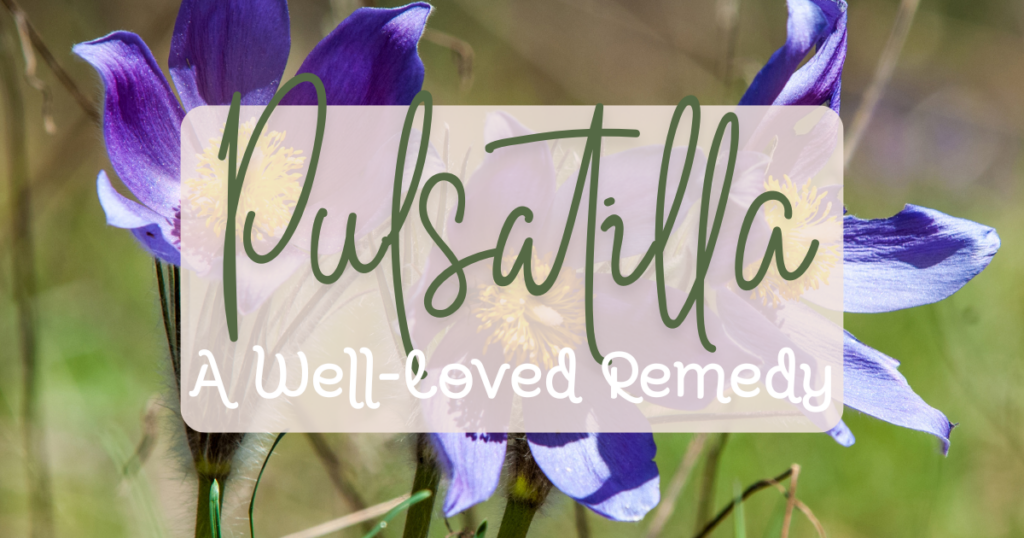
The Folklore and Legendary History of Pulsatilla
Pulsatilla, or pasque flower, has roots deep in folklore and ancient history. The Greeks and Romans cherished this delicate bloom. According to Roman myth, Pulsatilla sprang from the tears of Venus, making it a symbol of emotional release and healing. Ancient physicians believed the “windflower” held magical properties, using it to treat headaches, mood swings, and even to “lift melancholy” from those whose spirits drooped like its nodding blossom. The name “pasque flower” originates from its tendency to bloom around Easter, linking it to themes of renewal and new beginnings. By the 1800s, Hahnemann proved its power in homeopathic practice, especially for fluctuating, emotional complaints.
Keynotes of Pulsatilla: Spot the Remedy Like a Pro
If you want to confidently choose Pulsatilla, look for these hallmark traits:
- Changeable symptoms—Nothing stays the same! Discharges, pains, and moods shift quickly and unpredictably.
- Mild, yielding, sweet personality—Often emotional, gentle, and quick to tears over small things.
- Strong need for company and reassurance—Kids and adults—especially children—want constant affection and tend to cling when unwell. I have used this remedy many times during labor when the mom requires hand-holding and company.
- Worse in warm, stuffy rooms—Symptoms improve in fresh, cool air, no matter how chilly it gets.
- Not thirsty—Even during fevers or colds, they rarely crave water.
- Thick, bland, yellow-green discharges—Often seen with colds, coughs, earaches, or eye issues. This remedy is best used at the end of the cold.
- Common for hormonal and puberty issues—Irregular periods, mood swings, or emotional upsets in puberty, pregnancy, and menopause all respond beautifully.
- Craves gentle movement—Being carried, gentle walks, or open air bring comfort.
Pulsatilla for Tender Hearts and Busy Households
Veteran homeopaths are familiar with this remedy’s “changeable” nature—shifting and adapting just like growing children. Young moms choose Pulsatilla because it’s safe, gentle, and works in harmony with the body’s rhythms. I wrote about another great remedy, Chamomilla. It’s a wonderful remedy for moms, too. It is very similar to Pulsatilla. Except, Pulsatilla is often more of a whining as opposed to a temper tantrum. From soothing teary toddlers to helping teens through puberty or supporting postpartum moms, Pulsatilla is a remedy you’ll reach for again and again.
From Ancient Rituals to Your Medicine Cabinet
Pulsatilla’s story began in rituals designed to balance the heart and mind. Today, homeopathic Pulsatilla empowers modern families to trust in gentle, effective healing. With its deep roots in tradition and a proven history in natural medicine, Pulsatilla continues to win the hearts of those aiming to raise strong, drug-free kids—one gentle dose at a time123.
Ready to Start Your Pulsatilla Journey?
If you see yourself—or your little ones—in the Pulsatilla profile, consider adding this “windflower” to your home kit. Whether you are new to homeopathy or a seasoned enthusiast, meet change with gentleness, and let Pulsatilla guide your way.
I wanted to let you know that I’m a participant in the Amazon affiliate program, and some of the links in this post are affiliate links. That means I might earn a small commission from Amazon if you click them and buy something, but it doesn’t cost you anything extra! It’s just a way to help support my site and keep the lights on.
E
C
Leave a Reply